

Are Big Names Above the Law in Chandigarh? Civic Action Sparks Questions on Systemic Silence
Chandigarh Municipal Corporation’s action against illegal advertisements is not just about removing flex boards. It raises a deeper question on how rules were ignored for long at premium city locations.


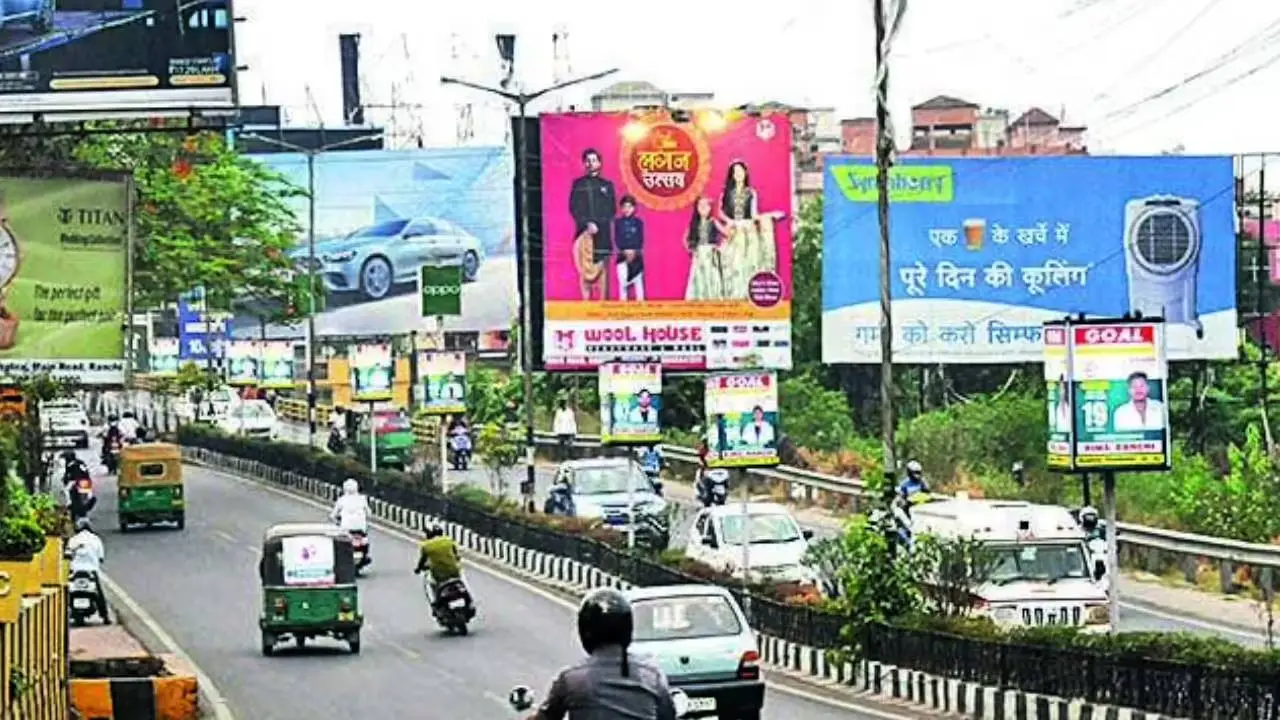
The Chandigarh Municipal Corporation’s advertisement branch carried out a major drive at the Elante Mall area, removing illegal flex boards linked to a well-known builder’s project. The key question is not why the ads were removed today, but why they were allowed earlier. These hoardings did not appear overnight. If they violated rules, why was no action taken before. Does influence weaken oversight. The action appears to have broken a long silence.
How Were Rules Broken at a Prime Location?
Elante Mall is among Chandigarh’s busiest and most premium locations. Every activity here is usually monitored closely. In such a high-visibility zone, illegal advertisements raise serious concerns. Municipal officials say the flex boards were installed without permission. The public question remains simple. How did these violations go unnoticed for so long. Was the system lax or does enforcement begin only after complaints.
What Message Does the Corporation’s Action Send?
The joint operation by civic officials and police signals a tougher administrative stance. Illegal advertisements were removed and seized on the spot. Authorities claim the move reflects zero tolerance toward violations affecting city order. However, citizens want clarity. Will this strictness continue consistently or remain limited to selective actions. The credibility of enforcement depends on follow-through.
Why Are Illegal Advertisements a Public Risk?
According to municipal officials, illegal hoardings are not just a visual nuisance. They distract drivers and pedestrians. They can obstruct sightlines and contribute to traffic accidents. Such displays also damage the planned character of the city. Rules exist to prevent these risks. The larger issue is not regulation, but weak compliance.
Why Was Police Presence Required?
Police deployment during the drive indicates the sensitivity of such actions. Illegal advertisements often involve financial interests. Resistance during removal operations is common. Police ensured the operation remained orderly. This raises another concern. Should routine enforcement always require security support. Or should compliance be voluntary and rule-based.
What Is the Responsibility of Builders and Agencies?
The Municipal Corporation has clearly stated that no advertisement can be installed without prior approval. Builders and advertising agencies are equally accountable. Permission is not a formality but a legal requirement. Violations invite strict action. The real test lies ahead. Will influential players now follow the same rules as everyone else.
Is This the Final Warning or Just a Moment?
This case is not limited to one builder or one location. It reflects a broader governance challenge. The key question is whether this campaign will continue citywide. If enforcement remains consistent, Chandigarh stands to gain. If not, the question will persist. Are big names above the law in Chandigarh.


