
Three-Day Transport Strike May Hit Supply Chain Across Delhi-NCR
There could be a major impact on the transport system in Delhi-NCR from May 21. All India Motor Transport Congress (AIMTC) has announced a three-day strike.


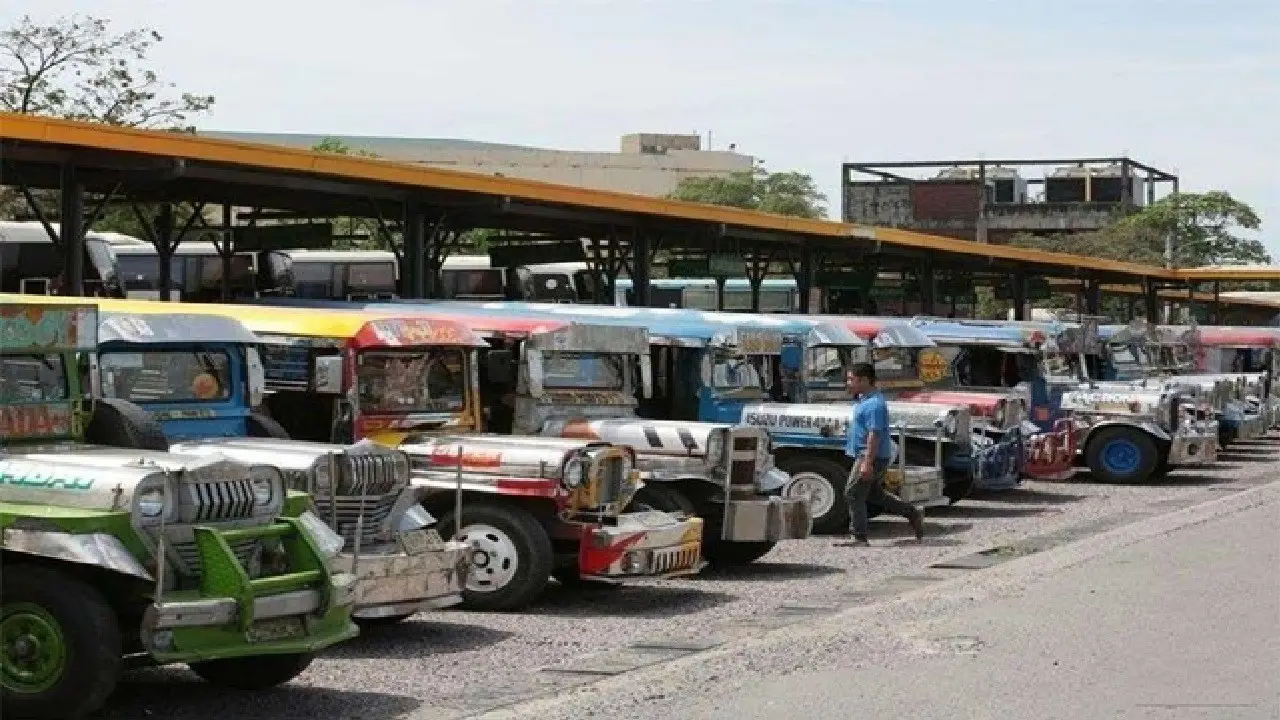
New Delhi: There could be a major impact on the transport system in Delhi-NCR from May 21. All India Motor Transport Congress (AIMTC) has announced a three-day strike. The organization says that the recent decisions of the Delhi government and the Commission for Air Quality Management (CAQM) have increased the problems of the people involved in the transport business. More than 68 transport unions of Delhi-NCR are said to be participating in the strike. In such a situation, there is a possibility that the supply of goods from markets to factories will be affected.
Are transporters angry with the increase in ECC?
In fact, the Environment Compensation Charge (ECC) imposed on commercial vehicles entering Delhi has recently been increased. Under the new rates effective from April 19, the duty on light commercial vehicles and two axle trucks has been increased from Rs 1400 to Rs 2000. Whereas for heavy and three-axle vehicles, this amount has increased from Rs 2600 to Rs 4000. Apart from this, a provision of five percent increase every year has also been made. Transport unions say that already the cost of diesel, toll and maintenance has increased, on top of this the new charges have made the business more expensive.
Has the ban on BS-4 vehicles become the biggest issue?
The controversy is not limited to ECC only. CAQM has proposed that the entry of BS-4 and older commercial vehicles in Delhi-NCR should be stopped from November 1, 2026. The Commission argues that this will reduce pollution and unnecessary traffic in the capital. But transporters say that lakhs of vehicle owners have bought vehicles by making huge investments and such a sudden ban will affect their employment. He claims that it is not right to take a decision just by looking at the category of the vehicle.
Did transport organizations call the decision impractical?
AIMTC President Rajendra Kapoor said that ECC is also being imposed on trucks coming empty and vehicles arriving carrying essential goods. He raised the question that when BS-6 vehicles are allowed to run even during lockdown, then what is the need to impose additional charges on them. Kapoor said pollution testing should be done on the basis of actual emissions and not just on the basis of vehicle registration or model.
Will problems increase if the strike continues longer?
Transport organizations have made it clear that at present the three-day strike is symbolic, but if their demands are not heard then the movement can be taken forward. AIMTC claims that lakhs of truck drivers, bus operators and taxi owners across the country are associated with it. In such a situation, a long strike can also affect the supply of vegetables, medicines and everyday items.
Will there be a solution through talks?
Amidst the growing controversy, Union Road Transport Minister Nitin Gadkari has expressed hope that a way out will be found through talks with the Delhi government. At present the transporters are adamant on their decision, while the government is not showing any signs of backing down on the issue of pollution control. In such a situation, the coming few days are considered important for the transport sector of Delhi-NCR.