

From Fun to Addiction: NIMHANS Explains the Gaming Trap in Children
Over the past 15 days, several reports from different states have highlighted cases of extreme gaming behaviour, including prolonged isolation, school absenteeism, disrupted sleep cycles, and emotional withdrawal.


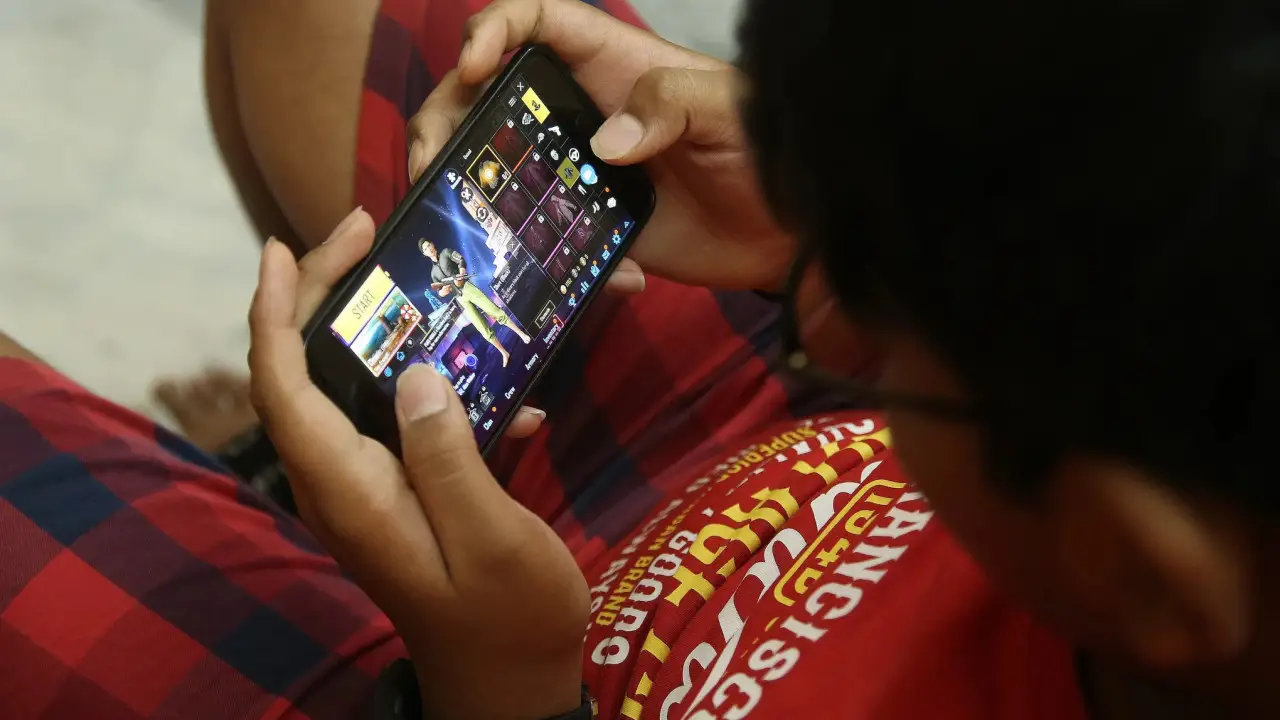
New Delhi: As concerns around online gaming and children’s mental health resurface across the country in recent weeks, a leading expert from the National Institute of Mental Health and Neurosciences (NIMHANS) has cautioned that excessive gaming is often a symptom of deeper psychological vulnerability.
Why have schools issued advisory?
Over the past 15 days, several reports from different states have highlighted cases of extreme gaming behaviour, including prolonged isolation, school absenteeism, disrupted sleep cycles, and emotional withdrawal. Schools in parts of Delhi-NCR and southern states have reportedly issued advisories to parents, while child welfare counsellors have handled instances of minors becoming deeply immersed in task-based and reward-driven online games.
What about Ghaziabad case?
Against this backdrop, the tragic deaths of three minor sisters in Ghaziabad, currently under investigation from multiple angles, have intensified the debate. While authorities continue to examine all aspects of the case, reports suggesting deep involvement in an online task-based game have drawn attention to the psychological risks of immersive digital engagement.
What did NIMHANS say?
Prof. Manoj Kumar Sharma, Professor at NIMHANS and in-charge of the SHUT Clinic (Service for Healthy Use of Technology), India’s first tech deaddiction centre, says such cases often reflect more than just heavy screen use.
“Children can develop a very strong digital self, sometimes to the point that their offline identity gets wiped out,” he said, adding that prolonged isolation and school withdrawal increase vulnerability.
He explained that gaming may become a coping mechanism. “Real-world conversations get replaced by digital environments,” he noted.
NIMHANS is an Institute of National Importance under the Ministry of Health & Family Welfare, Government of India which is located in Bengaluru, Karnataka.
It is a leading centre for clinical care, research, and academic training in psychiatry, neurology, neurosurgery, psychology, and related brain sciences.
What are the many problems with game?
According to Prof. Sharma, many games use psychological triggers such as task completion and reward streaks. “What starts as a fun venture turns into an immersive, addictive pattern,” he said.
Problematic gaming, he warned, has “high comorbidity with depression, anxiety and suicidal ideation,” along with sleep loss and mood disturbances.
Experts say the recent pattern of incidents suggests that the issue is not limited to screen time alone, but to the psychological immersion that digital platforms create. NIMHANS, a government centre of excellence in mental health and neurosciences, has consistently emphasised early identification, parental engagement, and structured digital habits to reduce risk.
As conversations on regulation and digital awareness gather pace, Prof. Sharma’s warning places the focus firmly on mental health, reminding families and educators that when digital identity begins to overpower real-life connections, early intervention becomes critical.


