

'Farmers First': Piyush Goyal's Clear Assurance on the India-US Trade Deal
In his statement to the House, Commerce and Industry Minister Piyush Goyal categorically assured that India’s sensitive agricultural and dairy sectors remain fully protected.


New Delhi: The interim India-US trade agreement announced recently triggered genuine concern among Indian farmers, amplified by a tweet from US Agriculture Secretary Brooke Rollins on February 2, 2026.
What did the US Agriculture Secretary say?
Brooke Rollins stated that the deal would “export more American farm products to India’s massive market,” help lift prices for US farmers, and reduce the bilateral agricultural trade deficit.
What did Farmer organisations say?
Farmer organisations, including the Samyukta Kisan Morcha, and several opposition leaders immediately raised alarms, fearing that subsidised US agricultural goods could flood Indian markets and threaten the livelihoods of domestic farmers and dairy producers.
These worries are understandable. Agriculture and dairy have long been treated as non-negotiable red lines in India’s trade negotiations.
What did Piyush Goyal say ?
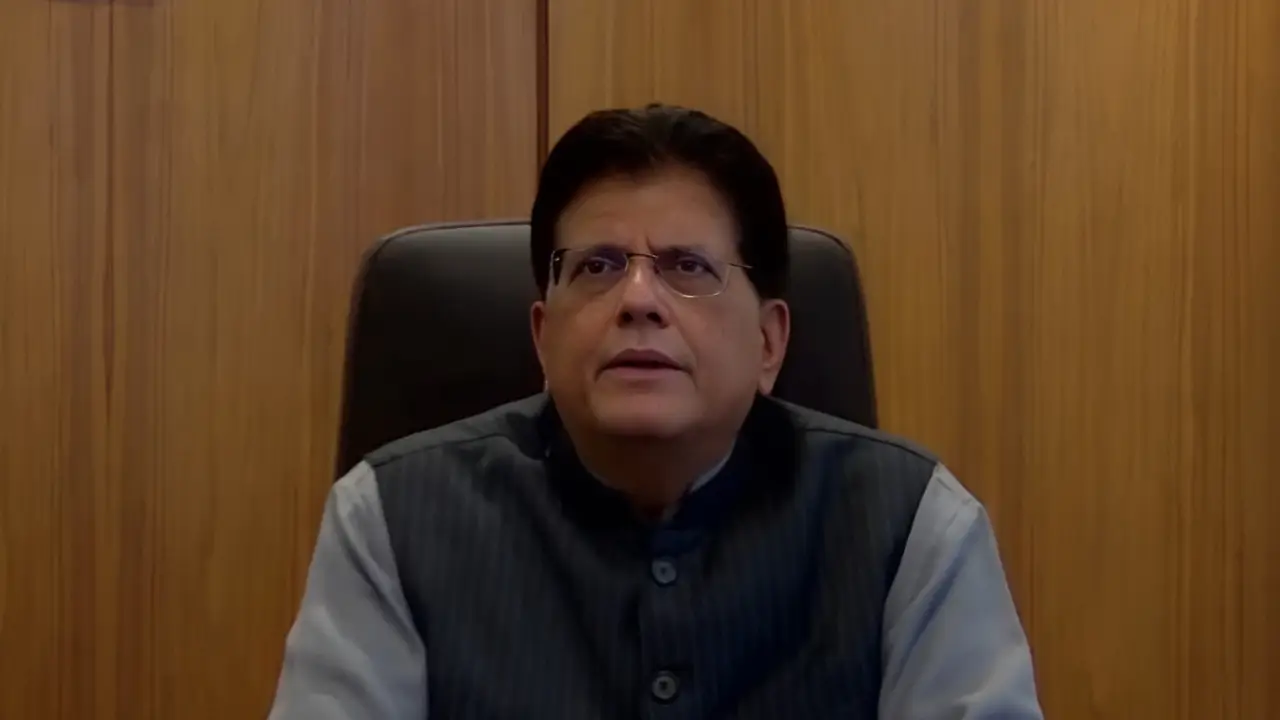
Commerce and Industry Minister Piyush Goyal provided a firm and unambiguous clarification in the Lok Sabha on Wednesday, directly addressing these fears.
In his statement to the House, Minister Goyal categorically assured that India’s sensitive agricultural and dairy sectors remain fully protected.
He told Parliament: “India has been successful in protecting the agricultural and dairy sectors.” He reiterated that Prime Minister Narendra Modi “has never allowed their interests to be compromised” and emphasised that “adequate safeguards are built in to protect these sectors from unfair competition.”
Goyal further confirmed that “in the sector of fertiliser and agriculture, India’s sensitivity has been taken care of.”
These are not vague promises. The agreement, finalised after nearly a year of intensive negotiations, reflects India’s consistent position: core agricultural staples, dairy products, and other sensitive items have been excluded from concessions that could disrupt domestic markets. While the US side has highlighted benefits for its own farmers, the Indian negotiating team ensured that no blanket opening—especially not zero tariffs across agricultural goods—has been agreed. Any tariff adjustments are limited to non-sensitive categories, with explicit protections retained for vulnerable segments.
Minister Goyal made it unequivocally clear that the first priority of the Government of India is the welfare and security of its farmers. The deal is designed to advance Atmanirbhar Bharat and Viksit Bharat objectives by boosting labour-intensive exports—textiles, apparel, leather, gems & jewellery, engineering goods, and seafood—while safeguarding the rural backbone. It creates jobs and strengthens MSMEs without undermining agriculture.
Farmers need facts, not fear. The minister’s direct intervention in Parliament is proof that the government listened and acted to protect their interests. The forthcoming joint India-US statement will provide final details, but the message from Lok Sabha is already crystal clear: Indian farmers’ rights are secure, agriculture and dairy remain shielded, and the government stands firmly with them.
There is no cause for alarm. What the government has secured is a balanced agreement that opens new opportunities for the country while keeping the farmer’s interests paramount.


