

Bharat Bandh: What will be open and shut during nationwide strike? Know details
This nationwide strike has been organised by a joint platform of 10 central trade unions, including INTUC, AITUC, HMS, CITU, AIUTUC, TUCC, SEWA, AICCTU, LPF, and UTUC.


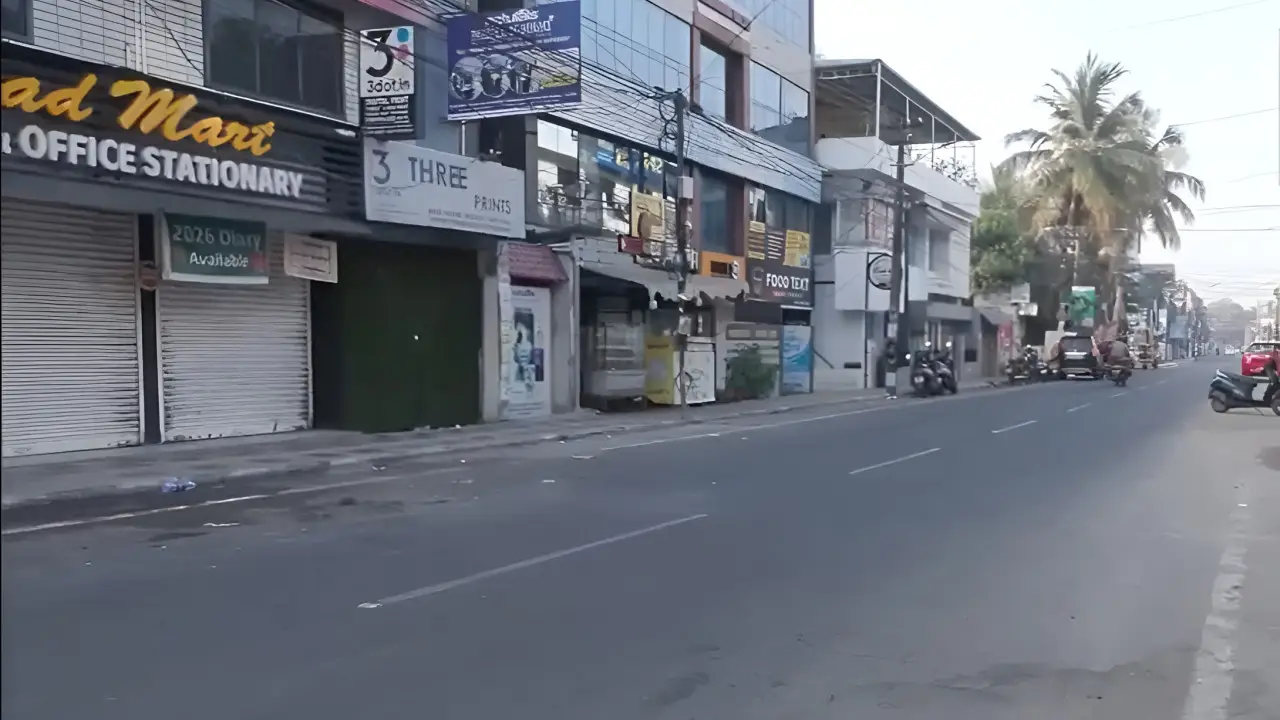
New Delhi: The central trade unions and farmers' organizations on Thursday called for a 'Bharat Bandh' as a part of their ongoing protest against the recently announced India-US trade deal and new labour codes. The nationwide strike has reportedly been organised by a joint forum of 10 central trade unions.
Why is there a Bharat Bandh on February 12?
This nationwide protest has been organised by a joint platform of 10 central trade unions, including INTUC, AITUC, HMS, CITU, AIUTUC, TUCC, SEWA, AICCTU, LPF, and UTUC.
The protest is against the various central government policies, including labour codes, trade agreements, privatisation policies, and other policies perceived as anti-worker and anti-farmer
According to the unions, the four labour codes weaken workers' rights, reduce job security, and make it easier to hire or fire employees.
The unions also expressed concern over privatization, stagnant wages, and a lack of social security.
The organizations are demanding the withdrawal of the draft Seed Bill, the Electricity Amendment Bill, and the SHANTI Act and the restoration of MGNREGA and the repeal of the Viksit Bharat - Guarantee for Employment and Ajeevika Mission (Gramin) Act 2025.
The Bharat Bandh has received support from the Samyukta Kisan Morcha and the All India Kisan Sabha.
#WATCH | West Bengal: A nationwide strike has been called by several trade unions to protest against various policies of the central government.
— ANI (@ANI) February 12, 2026
Visuals from several locations in Kolkata. pic.twitter.com/uVeA67YxFy
What will be affected?
The strike will affect the following services on Thursday:
- Schools and colleges: In certain states, including Kerala, Karnataka and Odisha, schools and colleges may remain closed.
- Markets and local shops: If the strike sees strong participation in that area, then the shops may remain partially or fully closed.
- Banks: It may face disruptions, depending on employee participation in the strike.
- Public transport: Commuters may face delays, cancellations or reduced frequency of services, including state-run buses and local transport systems, as it may face disruption.
- Traffic: Movement in several cities may be affected due to road blockades, protests or reduced public transport availability.
VIDEO | Kerala: Visuals from Wayanad as a nationwide Bharat Bandh (general strike) of trade unions, farmers against 'anti-worker labour policies and anti-farmer economic decisions' is being observed today.
— Press Trust of India (@PTI_News) February 12, 2026
(Full video available on PTI Videos - https://t.co/n147TvrpG7) pic.twitter.com/r0zjjyL1nk
What will not be affected?
The strike will not affect the following services on Thursday:
- Offices: Private offices are expected to function normally.
- Emergency services: Hospitals and healthcare facilities are expected to function normally despite the protest.
- Travel: Air travel and railway services are expected to run, but passengers are advised to check with their respective airlines or the IRCTC app for updates due to possible delays caused by traffic or local disruptions.
What did Rahul Gandhi say?
Congress leader Rahul Gandhi in post on X on Thursday said that "Today, lakhs of workers and farmers across the country are on the streets to raise their voices for their rights."
आज देशभर में लाखों मजदूर और किसान अपने हक़ की आवाज़ बुलंद करने सड़कों पर हैं।
— Rahul Gandhi (@RahulGandhi) February 12, 2026
मजदूरों को डर है कि चार श्रम संहिताएँ उनके अधिकारों को कमजोर कर देंगी।
किसानों को आशंका है कि व्यापार समझौता उनकी आजीविका पर चोट करेगा।
और मनरेगा को कमजोर या खत्म करने से गांवों का आख़िरी सहारा भी…
"Today, millions of workers and farmers across the country are on the streets, raising their voice for their rights. Workers fear that the four Labour Codes will weaken their rights," he wrote.


