

Punjab Assembly Slams India US Trade Pact Bhagwant Mann Warns It May Destroy Farmers Livelihoods
Punjab Chief Minister Bhagwant Mann warned that the proposed India–US trade agreement could seriously harm Indian agriculture. He said opening markets to subsidised American farm products may hurt farmers badly


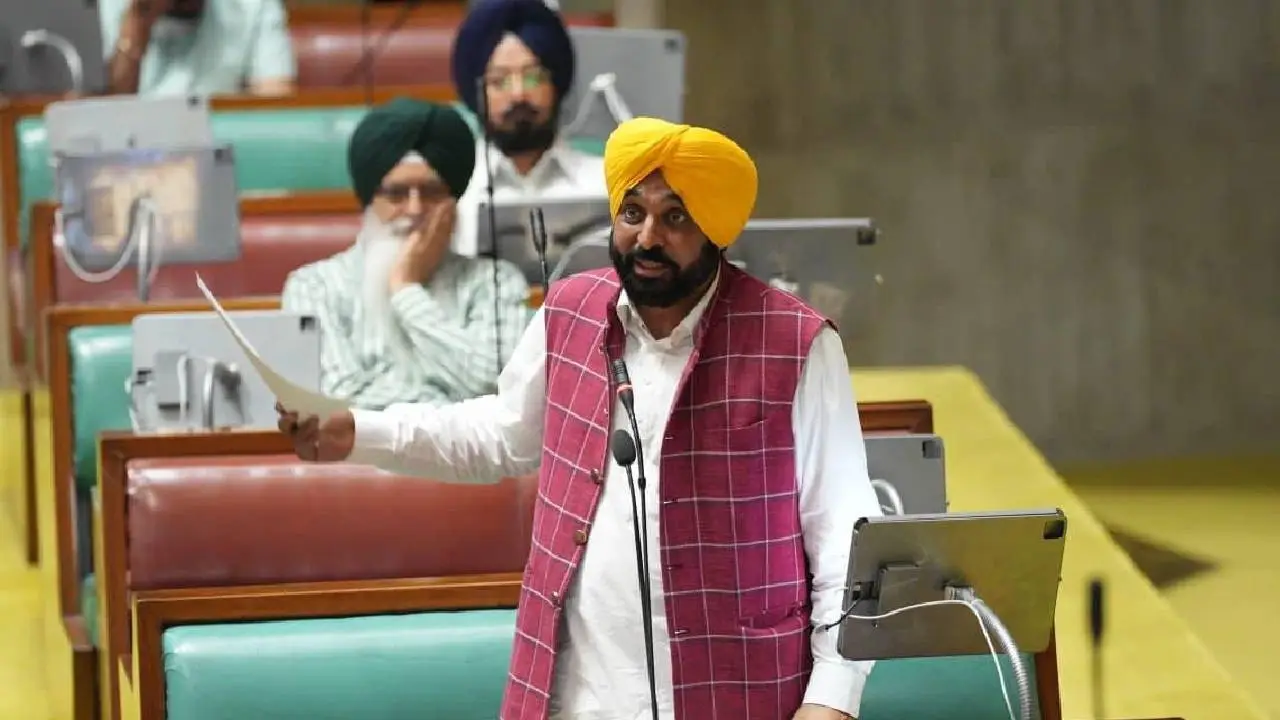
Punjab Chief Minister Bhagwant Mann strongly criticized the proposed India–US trade pact while addressing the Punjab Vidhan Sabha. He warned that the agreement could severely damage Indian agriculture. According to him the deal may prove even more harmful than the controversial farm laws that once triggered massive farmer protests. Mann said opening India’s agriculture market to American products could create unfair competition. Farmers in Punjab and across India may struggle to survive if subsidised imports enter the market. The Chief Minister said agriculture must remain protected from such international agreements.
What Resolution Punjab Passed
During the session Agriculture Minister Gurmeet Singh Khudian presented a resolution in the assembly. After detailed debate the Punjab Vidhan Sabha unanimously passed a condemnation resolution against the proposed agreement. The resolution expressed strong concern about the impact of the trade pact on farmers. Punjab lawmakers said agriculture should be kept completely outside the deal. They argued that protecting the country’s food security and farming system must remain a priority. The assembly warned that the agreement could weaken India’s agricultural sovereignty.
Why Mann Questioned Centre
Bhagwant Mann also questioned why state governments were not consulted. He said no state had been informed about the negotiations related to the trade agreement. According to him such major decisions should involve discussions with states. Mann asked what pressure might be forcing the central government to move forward with the pact. He raised doubts about whether foreign influence was shaping India’s policy decisions. The Chief Minister insisted that the interests of Indian farmers must come first.
How Cheap Imports Could Hurt Farmers
The Chief Minister warned that American farm goods may enter India at lower prices. Products like soybean maize cotton and other crops receive heavy subsidies in the United States. Because of these subsidies American farmers can export their produce cheaply. Mann said farmers in Punjab operate on much smaller landholdings. Competing with large scale US farming would therefore become extremely difficult. Such imports could push down crop prices and reduce farmers’ income.
Impact On Crop Diversification
Mann also spoke about Punjab’s crop diversification programs. He said cheaper feed substitutes such as DDGS and soybean oil may reduce demand for maize. Punjab currently cultivates maize on nearly 1.25 lakh hectares of land. Falling demand could disrupt diversification plans that aim to reduce dependence on wheat and paddy. Cotton farmers in Punjab’s Malwa region could also suffer if US cotton imports increase. Even limited quotas might place downward pressure on prices.
Environmental And Ecosystem Risks
The Chief Minister also expressed concern about non tariff barriers being relaxed. He warned that such changes could allow genetically modified materials into India. This may increase the risk of new pests plant diseases and invasive weeds. According to Mann these threats could seriously damage Punjab’s agricultural ecosystem. Protecting biodiversity and crop safety should remain a national priority. He stressed that farming policies must consider environmental consequences as well.
Political And Economic Concerns
Bhagwant Mann also accused the central government of ignoring Punjab’s concerns. He said funds related to RDF GST and the National Health Mission have been withheld from the state. According to him this reflects political retaliation after the farmers’ movement. The Chief Minister urged farmers’ unions experts and intellectuals to unite against the proposed pact. He said safeguarding Indian agriculture is essential for the country’s future and economic stability.


