

'Jiska Khet Uski Ret': Punjab Policy Sparks Demand Inside Haryana Assembly
Anurag Dhanda said voices inside the Haryana Assembly were openly praising the Punjab government’s farmer-friendly steps and calling for the same model to be adopted locally.


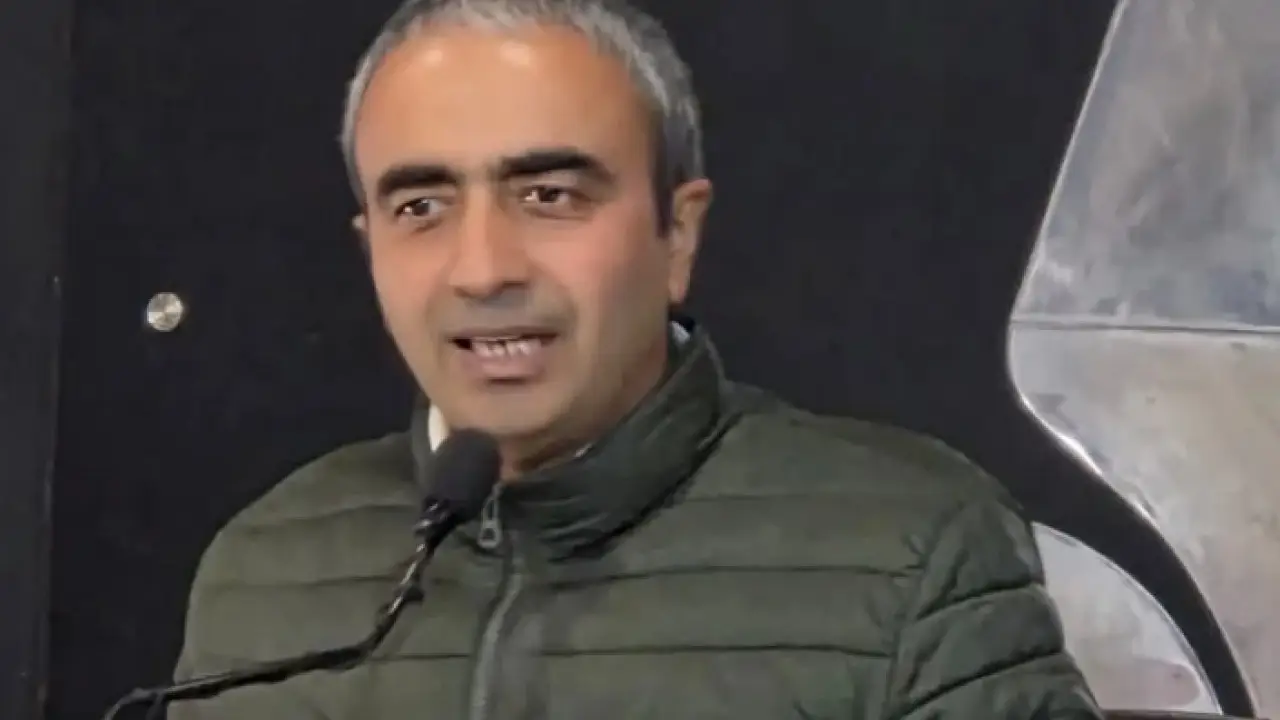
Punjab: A policy framed in Punjab has now found its way into Haryana's political debate. During the Winter Session of the Haryana Assembly on Thursday, legislators raised a clear demand, implement Punjab's "Jiska Khet, Uski Ret" policy in Haryana as well. The discussion stood out, not for political sparring, but for its focus on farmer relief and ground-level impact.
Why did a Punjab policy echo in Haryana House?
The issue gained traction after Aam Aadmi Party’s national media in-charge Anurag Dhanda shared a video from the Assembly proceedings on social media. In his post, Dhanda said voices inside the Haryana Assembly were openly praising the Punjab government’s farmer-friendly steps and calling for the same model to be adopted locally.
According to him, several leaders pointed to the "Jiska Khet, Uski Ret" policy introduced by the Bhagwant Mann government, saying it had delivered real benefits to farmers affected by floods.
What did Arvind Kejriwal say?
AAP national convenor Arvind Kejriwal reshared Dhanda's post and called the moment a matter of pride. He said the Haryana Assembly discussing Punjab’s policies showed how impactful governance travels beyond state borders.
Kejriwal said the policy had ensured farmers in Punjab received their rightful claim over sand deposited in their fields after floods. It also helped rein in the sand mafia and brought down prices. “Good policies don’t need boundaries,” he wrote, adding that other states were now looking at the Punjab model.
ये गर्व की बात है कि आज हरियाणा विधानसभा में भी पंजाब की आम आदमी पार्टी सरकार के जनहितकारी कामों की चर्चा हो रही है। भगवंत मान जी की सरकार की ‘जिसका खेत, उसकी रेत’ नीति ने पंजाब के किसानों को हक़ दिया और माफ़िया पर लगाम लगाई।
— Arvind Kejriwal (@ArvindKejriwal) December 18, 2025
अच्छी नीतियाँ सीमाएँ नहीं देखतीं … अब दूसरे राज्य… https://t.co/K1WQeIOTnk
Punjab Chief Minister Bhagwant Mann also reshared Kejriwal’s message, underlining the state government’s confidence in its decisions and their wider relevance.
How did the policy help Punjab farmers?
After floods left large stretches of farmland covered with sand, the Punjab government treated the deposited sand as the farmer’s property. Farmers were allowed to remove and sell it. The move helped them clear their fields, prepare for the next crop, and earn extra income.
Officials say the policy led to a 30-35 per cent drop in sand prices and tightened control over illegal mining. The government also provided machinery support, a step that strengthened the policy’s impact beyond paperwork.
What is happening on the ground in Haryana?
In Haryana, the situation remains grim in several districts. Yamunanagar, Ambala, Karnal, Panipat, Sonipat, Kurukshetra, Kaithal, Fatehabad and Sirsa have seen farmlands buried under sand and silt after floods. Even by December 2025, many fields are still unfit for cultivation.
Farmers say they have fallen behind in rabi sowing. The BJP-led state government, however, has cited rules and regulations while holding back similar relief measures.
AAP leaders argue that if Punjab can find a practical solution, Haryana can do the same. They say the issue has moved beyond politics and now centres on farmers’ rights and dignity.
Will Haryana adopt the Punjab model?
The demand raised in the Assembly and the swift reactions from Kejriwal and Mann make one thing clear that Punjab’s farmer-centric policies are now being seen as a reference point for other states.
The question remains whether the Haryana government will respond to the growing sentiment or leave farmers waiting yet again. For many in the fields, the answer cannot come soon enough.


