

PM Modi Writes to Floor Leaders, Seeks Consensus on Women’s Reservation Rollout
PM Narendra Modi stated that the time has come for the Nari Shakti Vandan Act to be implemented in its full spirit.


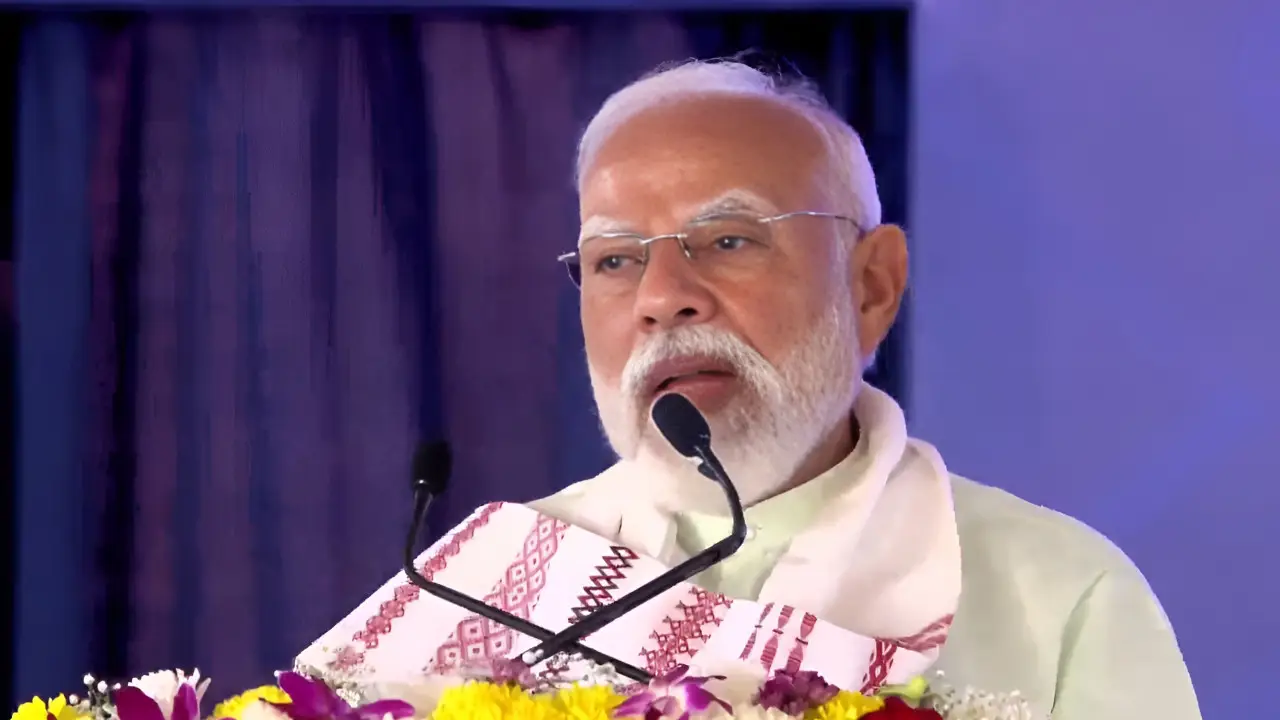
New Delhi: Prime Minister Narendra Modi has written to the leaders of all parliamentary parties in both the Lok Sabha and Rajya Sabha, urging their full support for the amendment to the Nari Shakti Vandan Act (Women's Reservation Act). In this letter, PM Modi called for the unanimous passage of this historic amendment in the special session of Parliament beginning on April 16.
Furthermore, the BJP has issued a whip to all its MPs, directing them to be present in the House on April 16, 17, and 18.
What did PM Modi say?
PM Narendra Modi stated that the time has come for the Nari Shakti Vandan Act to be implemented in its full spirit. It would be appropriate to fully implement 33 per cent reservation for women in the 2029 Lok Sabha elections and all upcoming assembly elections.
What is there in the letter?
In a letter to the floor leaders, PM Modi wrote, "The time has come to implement the Women's Reservation Act in true spirit."
"From April 16, a historic discussion related to the Nari Shakti Vandan Adhiniyam is set to take place in Parliament. This special sitting is an opportunity to further strengthen our democracy. It is also a moment to reiterate our collective commitment to moving forward together, taking everyone along. I am writing this letter to you with this spirit and purpose," he wrote in the letter dated April 11.
What did PM Modi say about the role of women in society?
PM Modi emphasised the role of women in society to progress and said that the 2029 Lok Sabha and Assembly elections must be conducted with women's reservation in place.
"Any society progresses only when women have the opportunity to progress, make decisions and more importantly, to lead. For India to realise its vision of becoming a developed nation, it is essential that women play a greater and active role in this journey," the Prime Minister said.
"Today, we are all witnessing the increasing participation of women in various spheres of public life. From space to sports, from the armed forces to start-ups, India's daughters are making an impact in every field. With their hard work and determination, they are proving their capabilities," he said.
PM writes a letter to Floor Leaders of all parties in Lok Sabha and Rajya Sabha on Nari Shakti Vandan Adhiniyam, requesting them for their support.
— ANI (@ANI) April 12, 2026
"From the 16th of April, a historic discussion related to the Nari Shakti Vandan Adhiniyam is set to take place in… pic.twitter.com/00W7DHASrH
What is the reason of the letter?
PM Modi said that purpose of writing this letter is to bring all the parties in one voice to pass the amendment to the Women's Reservation Act.
"I am writing this letter so that we may all come together in one voice to pass an amendment to the Women's Reservation Act," he said. He called the special sitting of Parliament "an opportunity to further strengthen our democracy."
Referring to the long-standing debate on women's reservation, the Prime Minister recalled the developments of 2023, when lawmakers across party lines supported the legislation.
"It was a memorable moment that reflected our unity. The entire world witnessed how a major decision was taken collectively to fulfil a commitment to the women of the country. Women represent nearly half of our population, and this was a strong step towards enhancing their participation in the political domain. I consider that day an important and inspiring milestone in India's Parliamentary journey," he said.
"After extensive deliberations, we have reached the conclusion that the time has now come to implement the Nari Shakti Vandan Adhiniyam in its true spirit across the country. It is imperative that the 2029 Lok Sabha elections and Assembly elections are conducted with women's reservation in place. This will infuse new energy into India's democratic institutions and strengthen public trust. It will also ensure greater participation and representation in governance," he said.


