

Amid IndiGo crisis, government cracks down on rising airfares, imposes fare cap
Following the IndiGo crisis, the Ministry of Civil Aviation has imposed a fare cap to address the rising airfares. This step was taken to protect passengers from high ticket prices. The ministry will now monitor air fares in real time and take action against airlines that violate the rules.


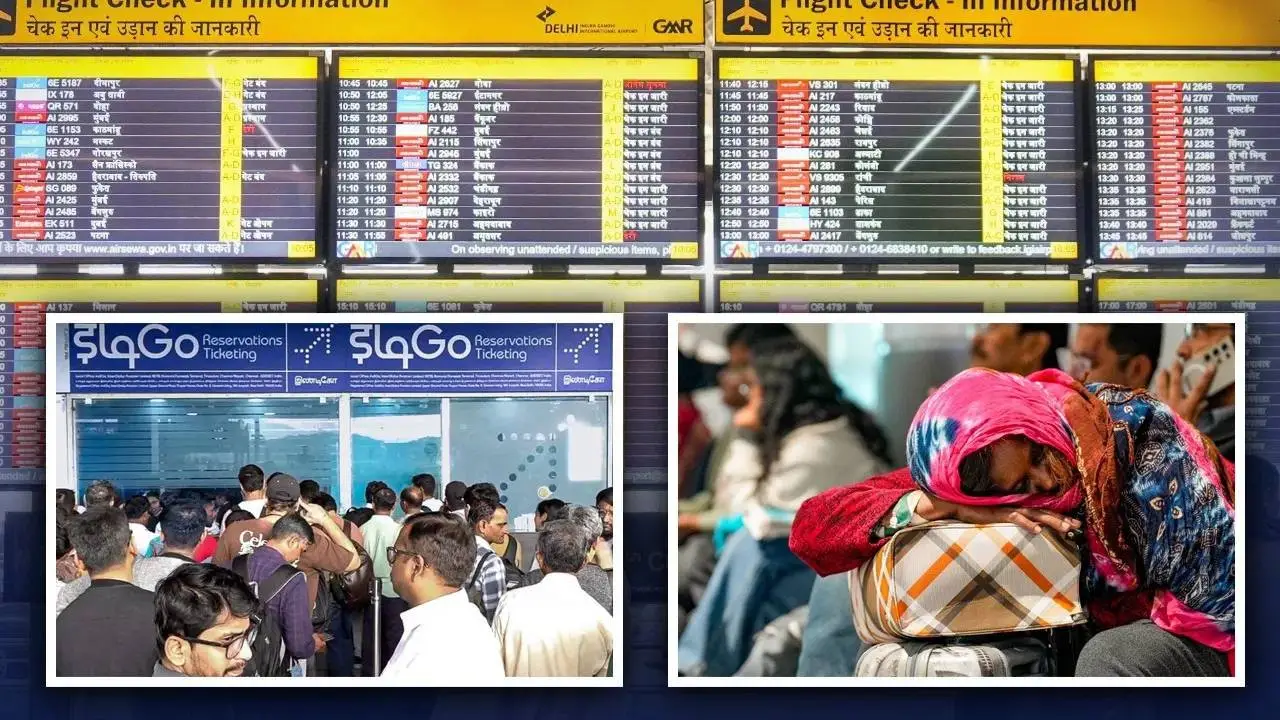
The aviation ministry will now track ticket prices live. Any airline breaking the new fare cap will face action. The aim is to control sudden price hikes. Passengers stuck in the ongoing crisis should get immediate relief. Officials say strict monitoring has already started across major routes. Aviation watchdogs are updating reports every hour. The government wants transparency in ticket pricing.
How Much Are Prices Rising?
After IndiGo cancelled hundreds of flights, other airlines increased fares sharply. A Delhi–Mumbai ticket, usually ₹6,000, is now close to ₹70,000. Delhi–Patna fares have jumped from ₹5,000 to ₹60,000. Delhi–Bengaluru tickets costing ₹7,000 earlier are now above ₹1 lakh. Delhi–Chennai flights are touching ₹90,000. Delhi–Kolkata fares are around ₹68,000. Passengers say this surge is impossible to afford.
Crisis Continues For Fifth Day
IndiGo disruption has not stopped. This is the fifth straight day of cancellations. On Saturday, 86 flights from Delhi did not operate — 37 departures and 49 arrivals. Mumbai airport saw 109 IndiGo cancellations — 51 arrivals and 58 departures. Ahmedabad cancelled 19 flights in total. Thiruvananthapuram reported 6 cancellations. Airports across India are crowded and passengers look helpless. Many families are unable to travel despite confirmed tickets.
Passengers Struggle At Airports
Long queues have formed at ticket counters. People are hunting for any available seats. Some have waited overnight on floors. Wedding plans, job interviews and medical trips are being missed. Families with children are the worst affected. Airline staff are facing anger from stressed travellers. Social media is full of complaints and videos from airports.
Why Did This Problem Start?
Investigations show a serious crew shortage triggered the crisis. New duty rules led to unrest among pilots. Many crew members went on sudden leave. Flight schedules collapsed within hours. DGCA relaxed few rules to give relief, but it was not enough. Airlines could not arrange backup quickly. The breakdown has now hit the entire aviation network.
Government Pushes For Accountability
Officials say airlines must plan better. They want strict checks on scheduling. Compensation rules may be updated soon. The ministry has warned carriers against “profiting from panic.” Passengers must get alternatives or refunds quickly. DGCA teams are inspecting airports daily. The government hopes normal services will restart without further chaos.


